
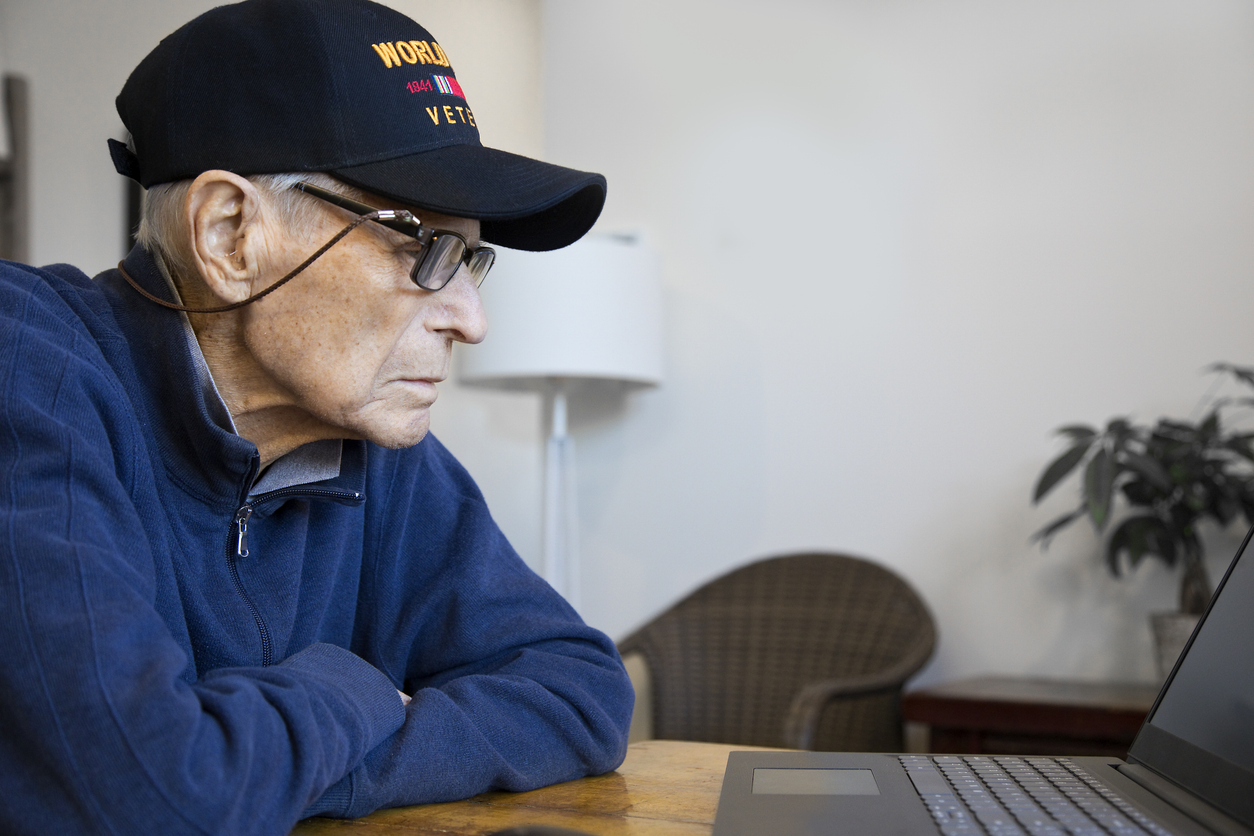
The Veterans Health Administration (VHA), part of the U.S. Department of Veterans Affairs (VA), is the nation’s largest integrated health system. The agency, which serves approximately 9.1 million veterans annually, has long been at the forefront of telehealth adoption, providing remote services across numerous clinical specialties. This investment paid off during the COVID-19 pandemic, when telehealth usage spiked. By mid-2020, the number of weekly video visits to veterans’ homes had increased by more than 1,100 percent—from approximately 11,000 to nearly 139,000 per week. Although the initial surge subsided as clinics reopened, virtual care has remained a central component of the VA’s model.
Telehealth is now an essential part of veterans’ care: in 2023, more than one-third of all outpatient visits were conducted by phone or video. Yet as telehealth has become embedded in everyday practice, new evidence suggests that some aspects of virtual care are increasing clinician workload and contributing to burnout—posing a new concern for a system already facing widespread staffing shortages.
The issue stems from the fact that telehealth extends beyond one-to-one substitution of in-person visits with video appointments. Increasingly, VA telehealth encompasses asynchronous communication. Secure messaging through the My HealtheVet patient portal allows veterans to request refills, report symptoms, or ask clinical questions. Use of the platform has expanded rapidly. In the first half of 2020 alone, veterans and providers exchanged more than 11.6 million messages, nearly three million more than during the same period the previous year. This steady stream of correspondence can lengthen clinicians’ workdays, adding administrative responsibilities not reflected in traditional scheduling models.
Secure messaging can shift time away from in-person encounters toward less visible forms of care, including emails and portal communication. A national study of VA clinicians found that while video visits did not contribute to higher rates of burnout, inbox volume did. Between 2020 and 2023, the rate of self-reported burnout among VA primary care providers increased from 42% to 53%, mirroring national trends. Each additional 44 patient messages per 1,000 patients corresponded to roughly a one-percentage-point increase in the likelihood of burnout. Put simply, increased online messaging workload correlated with greater clinician exhaustion, even after accounting for factors such as provider age and clinic characteristics.
This dynamic is not exclusive to the VA and warrants attention amid a broader workforce crisis across the U.S. healthcare sector. The Association of American Medical Colleges projects a nationwide shortfall of 13,500 to 86,000 physicians by 2036, including tens of thousands in primary care and, like many health systems, the VA has long struggled to fill critical positions.
A 2025 Office of Inspector General report found that every VA medical center reported “severe” staffing shortages, with physicians at the top of the list. The department disputed the findings, saying the report “is not based on actual VA health care facility vacancies and therefore is not a reliable indicator of staffing shortages.” Still, a VA spokesperson acknowledged a 14% vacancy rate among physicians—lower than in many private-sector systems but still representing roughly one in seven positions unfilled as patient eligibility and demand continue to grow.
Telehealth has proven to be an effective means of stretching the available workforce, especially in rural areas. It allows a single specialist to consult with multiple clinics remotely, and the VA’s federal licensure flexibility allows clinicians to care for veterans across state lines. Yet these efficiencies have limits. If asynchronous telehealth continues to add to workloads without systemic adjustments, the technology could exacerbate the very staffing crisis it aims to solve. Policymakers and VA leaders are beginning to examine this tension, with several initiatives underway to study the impact of telehealth on provider well-being and to identify strategies for managing virtual workloads more effectively.